
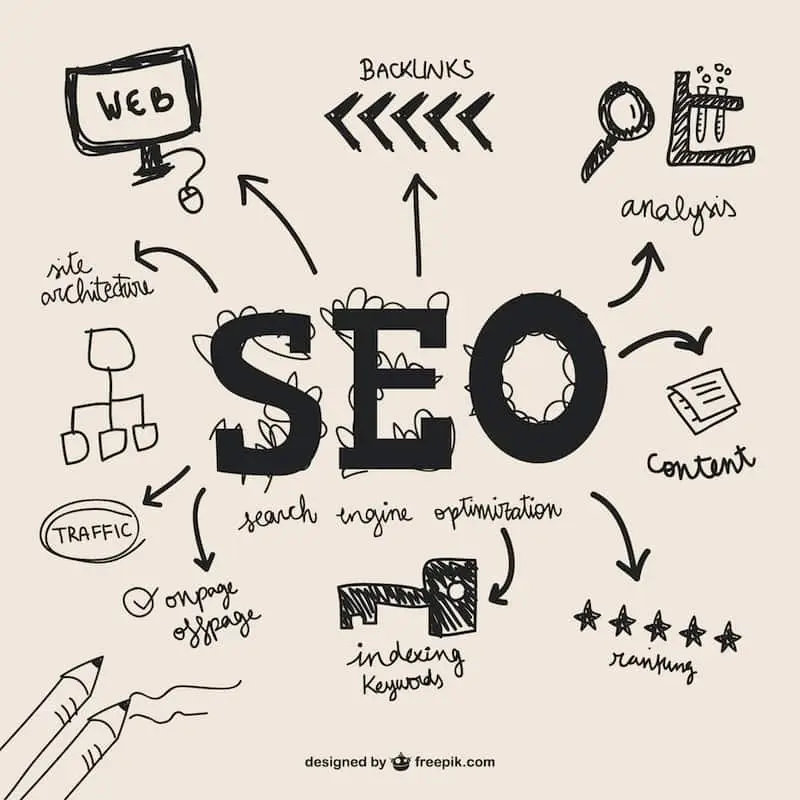
You know the importance of staying ahead. Sustainable SEO is about building strategies that last. It means focusing on quality and relevance, not just quick wins. By understanding your audience and creating valuable content, you build trust with users and search engines alike. The approach involves ethical practices and adapting to changes. Are you ready to explore how to make your online presence resilient and thriving?
Understanding the Principles of Sustainable SEO
To truly grasp sustainable SEO, start by focusing on long-term goals rather than quick fixes. You need sustainable practices to make SEO work for the future. Avoid shortcuts that could harm your site’s reputation. Ethical algorithms help guide these practices. They guarantee that you follow rules and keep your site in good standing.
Think about building content that lasts. Create material that people will find valuable over time. Don’t chase trends that fade quickly. Instead, aim for long term growth by understanding what your audience truly needs. This approach helps you build trust with search engines and users alike.
Aligning SEO Strategies With User Intent
How do you make your SEO strategies truly effective? Focus on aligning them with user intent.
First, understand what your audience wants by using user centric keywords. These keywords reflect what people are searching for.
Next, work on search intent alignment. This means matching your content to the purpose behind the search. Is the user looking to buy, learn, or navigate? Knowing this helps tailor your approach.
Perform a content relevance analysis regularly. Check if your content answers users’ questions. If it doesn’t, adjust accordingly.
Keep your content updated to maintain its effectiveness. Remember, when you cater to user needs, you improve engagement.
This approach guarantees your SEO strategies are sustainable and successful in the long run.
Emphasizing High-Quality, Relevant Content
While focusing on SEO, never underestimate the power of high-quality, relevant content. It’s the heart of your online presence.
Start with solid content marketing strategies. Know what your audience wants. Use keyword research methods to find what they’re searching for. This helps tailor your content to their needs.
Keep your content engaging. Use audience engagement techniques like questions or polls. Encourage comments or shares.
Make your content easy to read. Short sentences and clear ideas work best.
Don’t just write for search engines. Write for people. Solve their problems or answer their questions. This builds trust and keeps them coming back.
With quality content, you’ll improve your SEO naturally. Your website will rank higher, attracting more visitors and boosting your brand.
Leveraging Ethical Link-Building Techniques
When it comes to boosting your SEO, ethical link-building techniques are crucial. You need to focus on ethical outreach strategies. Reach out to websites that align with your content. Make certain they’re reputable. You’ll build trust and gain quality links.
Think about collaborative content partnerships. Partner with others in your niche. Create content together. This way, you both benefit. It’s a win-win situation that can drive traffic.
Consider community-driven backlinks. Engage with your community. Participate in forums and discussions. Share valuable insights. People will naturally link back to your content. It’s about building relationships, not just links.
Avoid shortcuts. Don’t buy links or spam. These tactics can harm your reputation. Stick to ethical methods. They guarantee long-term success in your SEO strategy.
Enhancing User Experience (UX) for Better Engagement
Building trust through ethical link-building lays a solid foundation.
But to keep visitors engaged, you need more. Focus on user centered design. Understand what your users want and make your website easy for them. Intuitive navigation is key. If visitors can’t find what they’re looking for quickly, they’ll leave. Use clear menus and labels. Avoid clutter. Simplicity helps users feel comfortable and confident.
Don’t forget about interactive elements. They make your site more engaging. Use buttons, forms, and sliders. These elements encourage visitors to interact with your content. Keep them interested and wanting more.
Prioritizing Mobile Optimization and Responsiveness
In today’s digital age, mobile optimization isn’t just a nice-to-have—it’s a must. Google now uses mobile first indexing. This means your site needs to shine on mobile devices.
Start by applying responsive design principles. A responsive site adjusts to any screen size. It keeps users engaged, no matter what device they use.
Next, focus on adaptive user interfaces. An adaptive interface changes based on the user’s device and behavior. This guarantees a smooth experience. Users won’t get frustrated or leave your site.
Check your site’s speed. Slow pages drive users away. Use tools to test and improve speed. Remember, mobile users want information fast.
Implementing Structured Data for Enhanced Visibility
Although often overlooked, structured data is essential for boosting your site’s visibility. By using schema markup, you help search engines understand your site’s content better. This leads to rich snippets, which can make your site stand out in search results.
Structured data benefits are clear. First, your content becomes more appealing. Users see ratings, prices, or other details directly in search results. This can increase click-through rates.
Second, it improves your site’s ranking because search engines prioritize sites with clear, structured information.
To implement structured data, start with Google’s Structured Data Markup Helper. It guides you through adding schema markup to your site. Don’t rush it; focus on accuracy. Proper implementation guarantees your site gains the visibility it deserves.
Maintaining Technical SEO Best Practices
When you’re aiming for top search rankings, technical SEO best practices are crucial. Start with regular technical audits. They help you find and fix issues.
Focus on site speed. A fast site keeps visitors happy and boosts rankings. Use tools to check load times and optimize images or scripts.
Next, guarantee mobile usability. More people browse on phones today. Your site should look good and work well on all devices. Test it often on different screen sizes.
Don’t forget to fix broken links and errors. They can harm user experience and SEO performance. Keep your site’s structure clean and easy to navigate.
Follow these steps to maintain a healthy site and improve your search engine visibility.
Fostering a Culture of Continuous Learning and Adaptation
Image source: Freepik
Technical SEO sets the foundation, but it’s not enough on its own. You need to foster a culture of continuous learning and adaptation. Start with knowledge sharing initiatives. Encourage your team to share insights and experiences. This builds a strong base for growth.
Next, introduce adaptive learning frameworks. These help your team learn new skills quickly. They can adapt to changes in the SEO landscape.
Don’t stop there. Focus on continuous improvement practices. Review and refine your strategies regularly. This keeps you ahead of competitors.
Integrating Social Responsibility Into SEO Strategies
To make your SEO strategies truly impactful, consider integrating social responsibility. It’s not just about ranking higher; it’s about making a difference.
Start by focusing on social impact. Show your audience you care about the world. Ethical marketing plays a big role here. Be honest and transparent in your messages. Avoid misleading claims.
Next, think about community engagement. Connect with local groups and support causes that matter. Share these efforts on your website and social media.
This builds trust and loyalty with your audience.
Monitoring and Measuring SEO Performance Effectively
While integrating social responsibility into your SEO strategy builds trust, monitoring and measuring your SEO performance guarantees you’re heading in the right direction.
Start with performance metrics analysis. Identify key indicators like traffic, bounce rates, and conversion rates. These will show what works and what doesn’t.
Use reporting tools evaluation to find the best software for tracking your progress. Look for tools that offer clear insights and real-time data.
Don’t forget competitor benchmarking strategies. Compare your results with competitors to see where you stand. This helps you understand market trends and adjust your tactics.
Preparing for Future SEO Trends and Challenges
As the digital landscape evolves, staying ahead in SEO requires forward-thinking strategies. You need to be prepared for future algorithm shifts. Google changes its algorithms often. Keep an eye on updates.
Evolving search behaviors are also essential. People search differently over time. Voice search and mobile use are growing. Adapt your content for these trends.
Emerging technologies impact SEO too. Artificial intelligence and machine learning are transforming how search engines work. Use these tools to your advantage. They can help you understand and predict trends.
Don’t ignore these changes. Embrace them and integrate them into your strategies.
Stay informed. Read reliable sources. Follow industry leaders. Being proactive is key. Adapt and stay flexible. That’s how you prepare for future SEO challenges.
Conclusion
You’ve learned the essentials of sustainable SEO. Focus on your audience and create quality content. Use ethical practices and update your content often. Improve user experience to keep visitors engaged. Always be ready to learn and adapt to changes. Think about social responsibility in your strategies. Keep track of your SEO performance to see what’s working. Stay prepared for future trends and challenges. By doing all this, you’ll build a strong, lasting online presence.