
Source: Freepik
When you think about SEO AI systems, trust and integrity scores become essential. These metrics help you gauge how reliable and transparent an AI application is. For example, a high trust score might indicate that users feel confident in the AI’s decisions. But how are these scores determined? And why do they matter for both users and developers? Exploring these questions can reveal a lot about the future of AI technology.
Understanding AI Visibility Metrics
When you think about AI visibility metrics, it’s fundamental to understand what they measure and why they matter. These metrics help you evaluate how AI systems perform and how transparent they are. AI metric frameworks provide structured ways to assess these systems. For example, they might focus on accuracy or fairness. Stakeholder engagement is significant here; involving users and affected parties guarantees the metrics reflect their needs. Trust measurement tools can help gauge how much users believe in the AI’s reliability. By using these metrics, you can make informed decisions about AI systems, confirming they meet ethical standards and user expectations. Overall, understanding AI visibility metrics is essential for promoting trust and accountability in technology.
The Importance of Trust Scores in AI
Trust scores in AI play an important role in helping users feel secure about how these systems operate. When you interact with AI, a high trust score reassures you that the system is behaving ethically. Trust score frameworks are essential tools that evaluate these systems’ reliability. They can guide you in making informed choices. For example, if you see a good trust score, you might feel more comfortable sharing personal data. User perception analysis shows that trust scores directly influence how you view AI’s effectiveness and safety. It’s critical to reflect on the ethical implications of these scores. They can shape your trust in technology and how society uses AI. Trust scores help create a safer, more responsible digital world for everyone.
Defining Integrity Scores
Integrity scores serve as a measure of how well an AI system adheres to ethical standards and principles. These scores help you understand the system’s reliability and its impact on society. Here are three key aspects of integrity scores:
- Integrity Frameworks: These are guidelines that outline ethical practices for AI. They guarantee systems are designed responsibly.
- Score Reliability: A high integrity score means the AI is trustworthy and operates as intended. You can depend on it to avoid harmful outcomes.
- Ethical Implications: Understanding integrity scores lets you see the broader effects of AI decisions. It helps you evaluate risks associated with its use.
How Trust and Integrity Scores Are Calculated
Calculating trust and integrity scores involves a systematic approach to evaluating AI systems. You’ll use trust measurement techniques to assess how reliable an AI’s decisions are. These techniques may include user feedback, performance metrics, and error rates. Next, you’ll apply integrity assessment methods. These methods focus on the AI’s adherence to ethical guidelines and its ability to produce consistent results. You also need to take into account algorithmic transparency standards. These standards guarantee that the AI’s processes are clear and understandable. By combining these elements, you can generate a thorough score that reflects both trust and integrity. This score helps you determine if the AI system meets your requirements for safety and effectiveness.
The Role of Transparency in AI Systems
Transparency plays an essential role in how AI systems are perceived and trusted. When you understand how AI works, you’re more likely to use it confidently. Here are three key aspects of transparency in AI:
- Transparency Frameworks: These help outline how AI decisions are made. They guide developers to share clear information about their algorithms.
- User Data: You should know how your data is used. Transparency guarantees that companies disclose what data they collect and how it affects you.
- Ethical Implications: Understanding the ethical side of AI is vital. Transparency helps reveal potential biases and encourages responsible AI use.
Stakeholder Perception and AI Metrics
As you immerse yourself in AI metrics, you’ll quickly notice how stakeholders’ perceptions shape the landscape of technology. Effective stakeholder engagement is essential. When stakeholders trust the metrics, they’re more likely to support AI initiatives. For example, if you present clear integrity scores, it boosts confidence in the system.
Perception management plays an important role here. You can help stakeholders understand the significance of these metrics through careful metrics interpretation. This clarity reduces confusion and builds trust.
Consider how different groups—developers, users, and investors—interpret the same data. Each has unique concerns and expectations. Addressing these can enhance their overall perception and support for AI projects. Ultimately, positive perceptions lead to better collaboration and outcomes in AI development.
The Link Between Trust and User Adoption

Source: Freepik
Trust plays an essential role in user adoption of AI technologies. When users trust AI, they’re more likely to engage and integrate it into their daily routines. To cultivate this trust, consider these strategies:
- Trust Building Strategies: Share data transparency. Make it clear how AI works and its benefits.
- User Engagement Techniques: Involve users in the design process. Their input can lead to a more user-friendly product.
- Adoption Barriers Analysis: Identify and address concerns like privacy and bias. Acknowledging these issues can ease apprehensions.
Evaluating AI Performance With Integrity Scores
When evaluating AI performance, integrity scores provide a clear measure of how well the technology meets ethical standards. You can use integrity assessments to gauge if your AI system aligns with social norms and values. These scores act as performance benchmarks, showing how the AI performs against ethical considerations. For instance, if an AI model consistently makes fair and unbiased decisions, its integrity score will reflect that. This score helps you identify areas needing improvement. By focusing on integrity, you guarantee your AI not only functions effectively but also respects user rights and promotes trust. Fundamentally, integrity scores are vital for responsible AI development and deployment, guiding you toward ethical and effective solutions.
Case Studies: Successful Implementation of Trust Scores
To guarantee AI systems operate with accountability, many organizations have successfully implemented trust scores. These trust score applications help measure AI performance and ethics. Here are three key examples:
- Healthcare Sector: A hospital used trust scores to evaluate AI-driven diagnostics, ensuring patient safety and accurate results.
- Finance Industry: A bank applied integrity score benchmarks to assess credit algorithms, reducing bias in loan approvals.
- Retail Business: An e-commerce site employed trust scores to improve recommendation systems, enhancing customer satisfaction and engagement.
Through these case study analyses, organizations found that trust scores not only fostered transparency but also built user confidence. Embracing these metrics is essential for responsible AI development.
Challenges in Measuring AI Trustworthiness
How can organizations effectively measure the trustworthiness of AI systems? One big challenge is choosing the right trust measurement techniques. Different methods can yield varying results, making it hard to find a standard. User perception challenges also play a role. Users often have their own biases, which can skew how they view an AI’s reliability. For example, if someone has had a negative experience with AI before, they might distrust a new system without giving it a fair chance. Additionally, algorithmic bias effects can further complicate trustworthiness. If an AI system is biased, it can lead to unfair outcomes, damaging trust. Organizations need to address these challenges to build more reliable and trusted AI systems.
The Impact of Bias on Trust and Integrity Scores
Bias in AI systems can greatly affect trust and integrity scores. When biases creep in, they can skew results and lower confidence. You should consider these points:
- Bias Mitigation Strategies: Implementing these helps reduce unwanted bias in AI predictions, promoting fairness.
- Algorithmic Fairness Evaluations: Regularly evaluating your algorithms guarantees they treat all groups equally, boosting trust.
- Stakeholder Trust Dynamics: Understanding how biases impact different stakeholders is key. When stakeholders see fairness, trust grows.
Developing a Framework for AI Visibility Metrics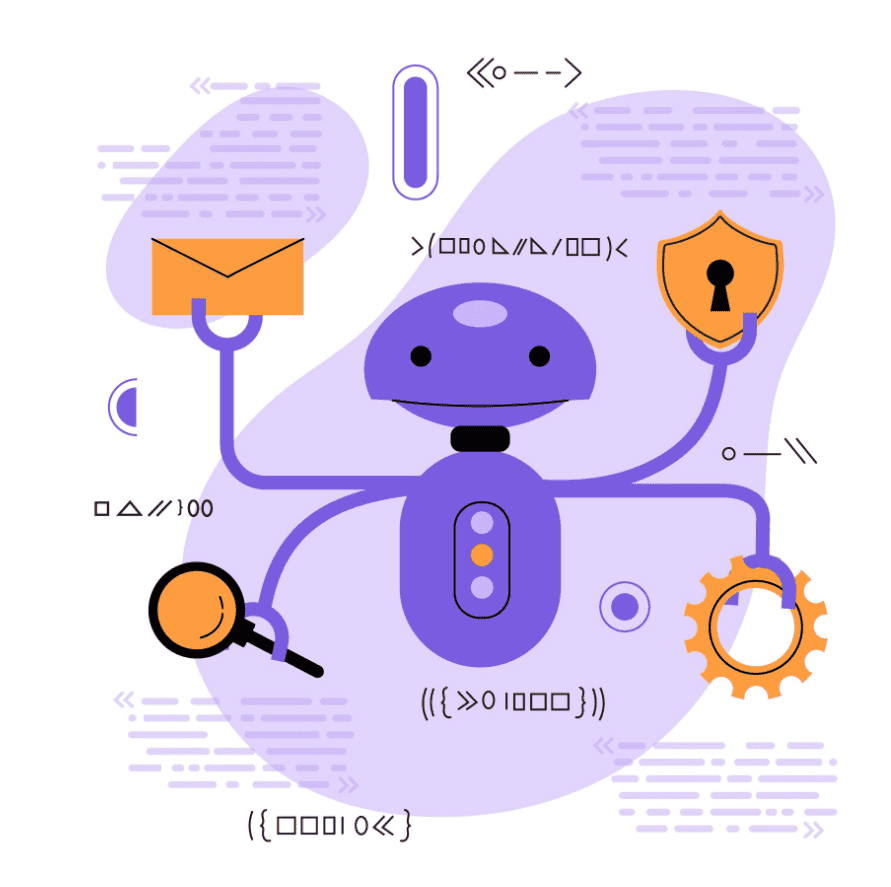
Source: Freepik
Understanding bias and its effects on trust sets the stage for developing effective AI visibility metrics. You’ll want to create AI metric frameworks that clearly define how to measure trust and integrity. Start by using visibility assessment techniques to evaluate how transparent your AI systems are. For example, you could assess data sources and decision-making processes to spot potential biases. Next, implement trust evaluation methodologies that help you gauge user confidence in your AI. This might involve surveys or user feedback to gather insights. By focusing on these aspects, you can build a solid framework that promotes accountability and enhances trust. Remember, a well-structured approach can lead to better user experiences and stronger relationships with your audience.
Integrating Trust Scores Into AI Development
As you integrate trust scores into AI development, it’s essential to guarantee these scores reflect real user experiences. Here are three steps for effective trust score integration:
- Gather User Feedback: Create user feedback mechanisms. This ensures users can share their experiences, helping you adjust the trust scores accordingly.
- Focus on Ethical Algorithm Development: Build algorithms that prioritize transparency and fairness. This builds user trust and aligns with their expectations.
- Regularly Update Scores: Trust scores should not be static. Regular updates based on new data keep them relevant and accurate.
The Future of AI Transparency
While many people see AI as a black box, the future of AI transparency aims to change that perception. You’ll notice more efforts to disclose how AI systems work. This shift can have significant future implications for trust. For example, if companies share their algorithms, you can better understand their decisions. This openness brings ethical considerations to the forefront. It encourages developers to create fairer systems and avoid biases. As transparency grows, public perception will likely improve. You’ll feel more comfortable using AI when you know how it operates. In turn, this trust can lead to wider adoption and acceptance of AI technologies. Ultimately, a transparent approach benefits everyone involved in the AI ecosystem.
Regulatory Considerations for Trust and Integrity Metrics
Regulatory considerations play an essential role in establishing trust and integrity metrics for AI systems. These guidelines help guarantee that AI operates within safe and fair boundaries. Here are three key points to reflect on:
- Regulatory Frameworks: Compliance with laws like GDPR is vital. It defines how data is collected and used, ensuring transparency.
- Data Privacy: You must prioritize user data protection. Implement measures that safeguard personal information to build trust.
- Compliance Standards: Adhering to industry standards promotes accountability. Regular audits and assessments can help maintain these standards.
Enhancing Accountability Through AI Visibility
Building on the importance of trust and integrity metrics, AI visibility plays a significant role in enhancing accountability. By implementing AI accountability frameworks, you can guarantee that decisions made by AI systems are transparent and traceable. This transparency helps clarify how decisions affect various stakeholders. You should develop stakeholder engagement strategies that encourage dialogue. When stakeholders understand how AI works, they’re more likely to trust the outcomes. Additionally, incorporating ethical decision-making processes into AI development fosters a culture of responsibility. For example, you could establish guidelines that prioritize fairness and reduce bias. In doing so, you’ll not only boost accountability but also support the development of AI that aligns with societal values. This approach builds a stronger foundation for trust.
Building Stakeholder Confidence With AI Metrics
To foster trust among stakeholders, it is crucial to use AI metrics that clearly demonstrate the performance and impact of your systems. Here are three effective confidence-building techniques to reflect on:
- Regular Reporting: Share updates on AI performance. This transparency helps address metrics communication challenges.
- Stakeholder Engagement Strategies: Involve stakeholders in discussions about AI metrics. Their feedback can improve your systems and strengthen trust.
- Clear Visuals: Use graphs and charts to present data. Visuals make complex metrics easier to understand.
The Role of Ethical AI in Trust Scores
While trust scores are essential for fostering relationships with stakeholders, ethical AI plays a significant role in shaping those scores. When you prioritize ethical considerations, you’re more likely to achieve AI accountability. This means being transparent about how your AI systems operate. For instance, if you use data responsibly and avoid bias, stakeholders will feel more confident in your decisions. Engaging with your stakeholders also matters. By listening to their concerns, you can adjust your practices to meet their expectations. When stakeholders see you value their input, trust grows. Ultimately, ethical AI not only enhances your trust scores but also strengthens your overall reputation. It’s a win-win for everyone involved.
Best Practices for Communicating AI Metrics
When you communicate AI metrics effectively, you make it easier for stakeholders to understand the impact of your systems. To enhance your best communication strategies, consider these tips:
- Visualize AI metrics: Use charts and graphs. They make complex data more digestible.
- Tailor your message: Know your audience. Different stakeholders need different details.
- Engage with clarity: Avoid jargon. Clear language helps in effective stakeholder engagement.
The Evolution of AI Visibility Metrics in Industry
As businesses increasingly rely on AI, the need for clear visibility metrics has grown considerably. Historically, companies focused on basic performance indicators. However, as AI technology evolved, so did the metrics. Today, you see trust and integrity scores becoming essential. Industry trends show a shift towards transparency and accountability in AI systems. You want to guarantee that AI isn’t just efficient but also ethical. Future predictions suggest that these metrics will become even more sophisticated. Companies will likely use advanced analytics to measure bias and fairness in AI. By staying updated on these changes, you can better navigate the evolving landscape and make informed decisions about your AI applications.
Conclusion
To sum up, using trust and integrity scores helps you understand AI systems better. These metrics show how reliable and ethical AI can be. By focusing on transparency, you can build confidence in these technologies. This way, you make informed decisions and support responsible AI development. Remember, when you pay attention to these scores, you’re not just improving your own experience; you’re also encouraging a more ethical approach to AI for everyone.