
Source: Freepik
Have you ever wondered how some AI systems seem to know exactly what you want? That’s where agentic AI optimization comes in. It goes beyond traditional SEO and GEO by personalizing user experiences based on behavior and preferences. This approach anticipates needs, making interactions feel seamless. But how does it truly differ from these other methods? The answer could change how you think about digital marketing strategies.
Understanding Agentic AI Optimization
Agentic AI optimization refers to the process of enhancing artificial intelligence systems so they can act more autonomously and effectively. You’ll find that agentic intelligence applications are designed to learn and adapt over time. This means they can better serve your needs. One key area is automated content generation. With this, AI can create articles or marketing materials quickly and accurately. It saves you time and effort. Another important aspect is personalized marketing strategies. AI can analyze customer data to tailor messages that resonate with individual preferences. This leads to higher engagement and better conversion rates. By optimizing AI in these ways, you empower your business to operate more efficiently and connect deeper with your audience.
The Fundamentals of Search Engine Optimization (SEO)
Search engine optimization (SEO) is essential if you want your website to rank well on search engines. To get started, use keyword research techniques to find the right terms your audience is searching for. This helps you understand what content to create.
Next, focus on on-page optimization. This means adjusting elements on your website, like titles, meta descriptions, and headers, to make your content more appealing to search engines.
Don’t forget about backlink strategies. Building links from other reputable websites can boost your site’s authority.
Together, these strategies create a solid foundation for SEO. By applying them effectively, you’ll improve your visibility and attract more visitors to your site.
Exploring Geographic Optimization (GEO)
When you want to improve your website’s visibility in specific regions, geographic optimization (GEO) becomes vital. GEO focuses on understanding your audience’s location and preferences. By using geographic data analysis, you can identify trends and behaviors unique to different areas. This insight helps you create localized content strategies that resonate with your target audience. For example, if you’re a restaurant, you might highlight local dishes or events in your area. Regional audience targeting allows you to connect with potential customers effectively. By tailoring your content and marketing efforts to specific regions, you increase engagement and drive more traffic to your site. Overall, GEO is vital for reaching the right people in the right place.
Key Differences Between Agentic AI Optimization and SEO
While both Agentic AI Optimization and SEO aim to enhance online visibility, they do so in distinctly different ways. SEO focuses on traditional ranking methods, using keywords and backlinks. In contrast, Agentic AI Optimization relies on user behavior analysis and content relevance ranking to predict what users want. It uses predictive analytics tools to adapt content dynamically, improving user engagement. This means that while SEO often reacts to trends, Agentic AI Optimization proactively anticipates user needs. Instead of just optimizing for search engines, it prioritizes the experience for real users. As a result, your content not only ranks higher but also resonates more with your audience, making it a more effective strategy for long-term growth.
Key Differences Between Agentic AI Optimization and GEO
Three main differences set Agentic AI Optimization apart from GEO (Geographic Optimization). First, Agentic AI focuses on user behavior and preferences, while GEO strategies mainly target location-based factors. This means you’ll get more personalized results with Agentic AI. Second, Agentic AI benefits from AI-driven insights, which help you understand trends and make data-driven decisions. In contrast, GEO relies on static data points, which can limit your reach. Ultimately, Agentic AI adapts in real-time, responding quickly to changes in user behavior. GEO strategies often take longer to adjust. By embracing Agentic AI, you can enhance your marketing efforts and connect with users more effectively than traditional GEO methods, leading to better engagement and results.
The Role of Artificial Intelligence in Agentic AI Optimization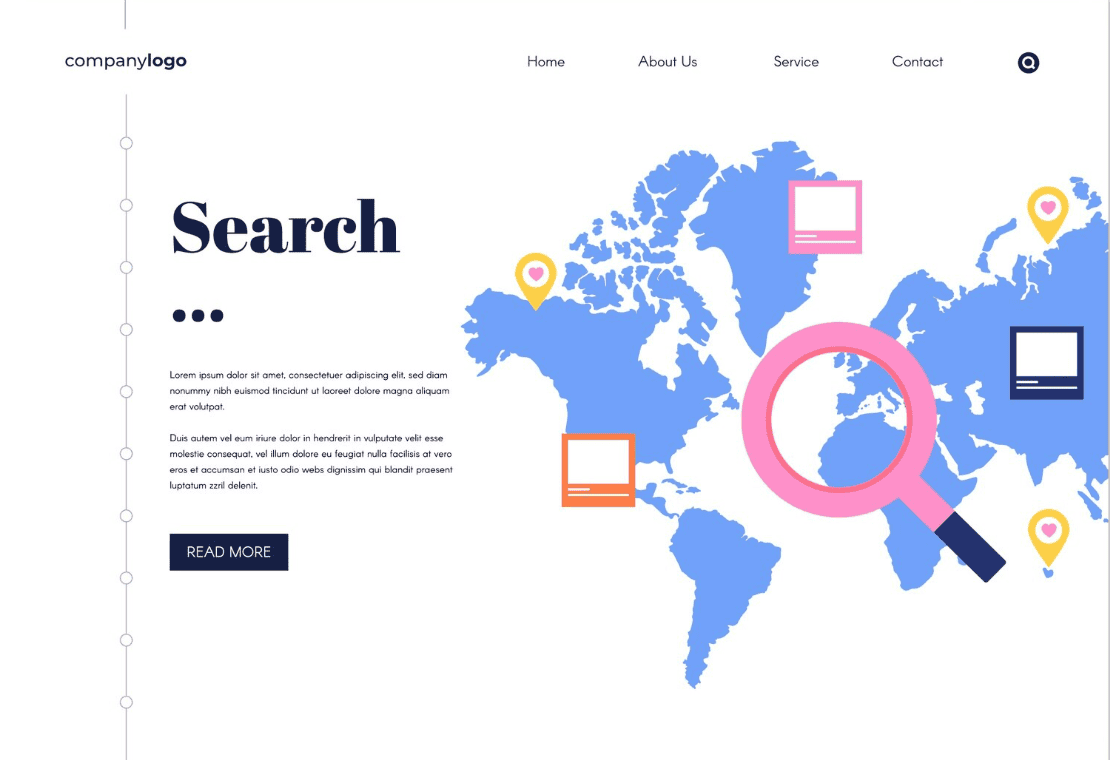
Source: Freepik
Artificial intelligence plays a pivotal role in Agentic AI Optimization by enhancing how you understand and engage with users. It uses machine learning techniques to analyze vast amounts of data. This helps you uncover patterns and trends in user behavior. With natural language processing, AI can interpret user queries and respond in a human-like manner. This makes interactions smoother and more intuitive. Additionally, predictive analytics tools allow you to forecast future user needs based on past behavior. By leveraging these technologies, you can create a more personalized experience. This not only boosts user satisfaction but also increases engagement. Overall, AI empowers you to optimize your strategies effectively and connect better with your audience.
Real-Time Content Personalization
As users interact with your platform, real-time content personalization guarantees they receive relevant information tailored to their needs. This approach boosts real-time user engagement by ensuring that users see content that resonates with them. You can achieve personalized content delivery by analyzing user behavior and preferences instantly. This way, each visitor feels valued and understood.
Dynamic audience targeting allows you to adjust what users see based on their interests and actions. Whether it’s suggesting products or displaying articles, this strategy keeps your audience engaged. When you implement real-time personalization, you not only enhance user experiences but also increase the chances of conversions. Ultimately, it’s about making every interaction feel unique and relevant.
Data-Driven Insights and Decision Making
While you may have a wealth of data at your fingertips, turning that information into actionable insights is essential for effective decision-making. Data analytics tools can help you sift through large datasets, revealing patterns and trends. These insights guide your choices and strategies.
Using decision-making frameworks allows you to structure your thought process, ensuring consistency and clarity. By applying predictive modeling techniques, you can forecast outcomes based on historical data. This approach helps you anticipate challenges and seize opportunities.
Ultimately, combining these elements empowers you to make informed decisions quickly. You’re not just reacting; you’re proactively shaping the future of your business. Embracing data-driven strategies leads to better outcomes and a competitive edge.
Enhancing User Experience With Agentic AI Optimization
To enhance user experience, leveraging agentic AI optimization is key. This approach starts with user behavior analysis. By understanding how users interact with your content, you can tailor their experience more effectively.
Agentic AI helps in creating personalized content delivery. It analyzes preferences and suggests relevant material, making users feel valued and understood.
Moreover, you can implement user engagement strategies that keep users interested. Whether through targeted notifications or adaptive interfaces, the goal is to foster a deeper connection.
With these techniques, you not only meet users’ needs but also encourage them to explore more. By focusing on their preferences, you create a seamless experience that keeps them coming back for more.
The Impact on Conversion Rates
When you implement agentic AI optimization, you’ll likely see a significant boost in conversion rates. This approach tailors your content to match user preferences, improving user engagement. By analyzing behavior patterns, agentic AI helps you refine your conversion strategies, targeting the right audience at the right time.
You’ll guide potential customers smoothly through the sales funnel, addressing their needs and concerns. The result? Higher chances of turning visitors into buyers. Personalized experiences keep users interested and encourage them to take action. By focusing on what users want, you create a more effective path for them to follow. Ultimately, agentic AI optimization not only enhances user experience but also drives your conversion rates to new heights.
Challenges and Considerations in Implementing Agentic AI Optimization
Implementing agentic AI optimization comes with its share of challenges and considerations. One major hurdle is ethical considerations. You need to guarantee that your AI systems treat users fairly and don’t reinforce biases. Then there are technical limitations. Not all AI tools can analyze and adapt to data as needed, which can hinder your efforts. Data privacy is another significant concern. You must protect user information while still leveraging data to improve your strategies. Balancing these aspects is essential for successful implementation. It’s critical to stay compliant with regulations and maintain trust with your audience. By addressing these challenges upfront, you can create a more effective and responsible agentic AI optimization strategy.
Future Trends in Digital Marketing Strategies
What’s next for digital marketing strategies in an ever-evolving landscape? You’ll see a shift toward more personalized and data-driven approaches. Companies are embracing social media integration to connect with audiences in real time. Predictive analytics techniques will help you anticipate customer needs and preferences, allowing for tailored marketing efforts.
Here are some key trends to watch:
- Increased use of AI for content creation and curation
- Enhanced customer engagement through interactive content
- Focus on omnichannel marketing for a seamless experience
- Advanced content distribution strategies leveraging multiple platforms
Case Studies: Success Stories of Agentic AI Optimization
As businesses explore the potential of agentic AI, they uncover remarkable success stories that highlight its impact on marketing strategies. One case studies analysis might show how a retail company used agentic AI to personalize customer experiences. This led to increased sales and customer loyalty. Another example could be a travel agency that optimized its booking process, resulting in higher conversion rates. Successful implementations like these illustrate how agentic AI can transform various industries. By analyzing these industry examples, you can see the clear benefits of adopting this technology. It’s not just about automation; it’s about creating smarter, data-driven strategies that meet customer needs effectively. These success stories pave the way for more businesses to embrace agentic AI.
Getting Started With Agentic AI Optimization
To get started with agentic AI optimization, you’ll want to first identify your business goals. Once you’ve done that, you can explore various agentic AI tools and how they can help you achieve those goals. Here are some steps to contemplate:
- Research optimization techniques that fit your needs.
- Choose the right agentic AI tools for your strategy.
- Develop clear implementation strategies to integrate these tools.
- Monitor your progress and adjust as needed.
Conclusion
In summary, agentic AI optimization is a game-changer for digital marketing. It goes beyond traditional SEO and GEO by anticipating user needs and delivering personalized experiences. This approach not only improves engagement but also helps you connect better with your audience. As you explore this innovative strategy, remember to reflect on the challenges and future trends. Embracing agentic AI can elevate your marketing efforts, leading to greater success and satisfaction for both you and your users.